
Introduction

CONGRATULATIONS on the purchase of your Z Turf Equipment accessory. This product has been carefully designed and manufactured to give you a maximum amount of dependability and years of trouble-free operation.

This manual contains operating, maintenance, adjustment, and safety instructions for your accessory.

BEFORE OPERATING YOUR Z TURF EQUIPMENT, CAREFULLY READ THIS MANUAL IN ITS ENTIRETY.

By following the operating, maintenance, and safety instructions, you will prolong the life of your accessory, maintain its maximum efficiency, and promote safe operation.

To maximize safety, performance, and proper operation of this machine, it is essential that all operators carefully read and fully understand the contents of the Operator’s manual provided with the product. Failure to comply with the operating instructions or receive proper training may result in injury. Go to www.zturfequipment.com for additional safe operation information, such as safety tips, training materials, and Operator’s manuals.

If additional information is needed, or should you require trained mechanic service, contact your authorized Z Turf Equipment dealer or distributor.

All Z Turf Equipment dealers and distributors are kept informed of the latest service methods. Many are equipped to provide prompt and efficient service in the field or at their service stations. They carry ample stock of service parts or can secure them promptly for you from the factory.

All Z Turf Equipment parts are thoroughly tested and inspected before leaving the factory, however, attention is required on your part if you are to obtain the fullest measure of satisfaction and performance.

Whenever you need service, genuine Z Turf Equipment parts, or additional information, contact an Authorized Service Dealer or Z Turf Equipment Customer Service and have the model and serial numbers of your product ready.

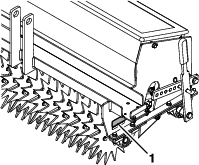
Figure 1 identifies the location of the model and serial numbers on the product. Write the numbers in the space provided.

g350308

For complete warranty details, see https://www.zturfequipment.com. You may also call us 402-223-6375 to request a written copy of the product’s warranty.

Exmark reserves the right to make changes or add improvements to its products at any time without incurring any obligation to make such changes to products manufactured previously. Exmark, or its distributors and dealers, accept no responsibility for variations which may be evident in the actual specifications of its products and the statements and descriptions contained in this publication.

Safety

The intended use of this accessory is for lawn care.

Safety Alert Symbol

This Safety Alert Symbol (Figure 2) is used both in this manual and on the machine to identify important safety messages which must be followed to avoid accidents.

This symbol means: ATTENTION! BECOME ALERT! YOUR SAFETY IS INVOLVED!

g000502

The safety alert symbol appears above information which alerts you to unsafe actions or situations and will be followed by the word DANGER, WARNING, or CAUTION.

DANGER: Indicates an imminently hazardous situation which, if not avoided, Will result in death or serious injury.

WARNING: Indicates a potentially hazardous situation which, if not avoided, Could result in death or serious injury.

CAUTION: Indicates a potentially hazardous situation which, if not avoided, May result in minor or moderate injury.

This manual uses two other words to highlight information. Important calls attention to special mechanical information and Note emphasizes general information worthy of special attention.

General Safety

This machine that the accessory attaches to is capable of amputating hands and feet and of throwing objects. Always follow all safety instructions to avoid serious personal injury or death.

  • Read, understand, and follow all instructions and warnings in the machine and accessory Operator’s Manuals and on the machine, engine, and attachments. All operators and mechanics should be trained. If the operator(s) or mechanic(s) can not read this manual, it is the owner’s responsibility to explain this material to them; other languages may be available on our website.

  • Only allow trained, responsible, and physically capable operators that are familiar with the safe operation, operator controls, and safety signs and instructions to operate the machine. Never let children or untrained people operate or service the equipment. Local regulations may restrict the age of the operator.

  • Do Not operate the machine near drop-offs, ditches, embankments, water, or other hazards.

  • Keep bystanders and children out of the operating area.

  • Do Not put your hands or feet near moving parts.

  • Do Not operate the machine without all safety shields, guards, switches, and other devices in place and in proper working condition.

  • Park machine on level ground, disengage drives, set parking brake, stop engine, remove key, or disconnect spark plug wire. Wait for all moving parts to stop before leaving the operator’s position. Allow the machine to cool before servicing, adjusting, fueling, unclogging, cleaning, or storing.

Safety and Instructional Decals

 
decal133-8061

Specifications

Systems

Slice Seeder

Adjustable front knives can be adjusted depending on the soil or turf conditions.

Dimensions

Overall Width:

46 inches (117 cm)

Overall Length:

31 inches (79 cm)

Overall Height:

22 inches (56 cm)

Weight:

305 lb (138 kg)

Setup

Accessory Removal

Remove any mid-mount accessory that is currently installed on the machine; refer to the Z-Aerate Operator’s manual and the installed accessory Operator’s manual for instructions.

Install Accessory

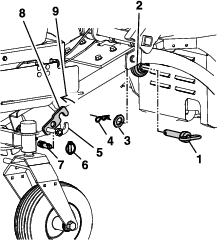
  1. Position the rear wheel of the Z-Aerate machine to the middle of the accessory and slowly start turning the machine over the accessory (see Figure 3). Line up the swivel ball in the neck of the accessory to the machine hitch pin (reference Figure 4).

    g299448
  2. Stop engine, wait for all moving parts to stop, engage the parking brake, and remove the key.

  3. Remove and retain the cotter pin, washer and hitch pin from the machine ball swivel as shown in Figure 4.

    g347012
  4. Remove and retain the anchor release pin and lynch pin from each side of the machine frame. Slide the front hooks outward and rotate upward.

  5. Align the mounting holes of the tank arm with the center hole of the ball swivel and insert the hitch pin. Secure the hitch pin with the washer and cotter pin

    g291780
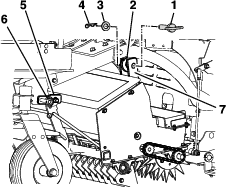
  6. Remove and retain the anchor release pin and lynch pin from each side of the machine frame. Slide the front hooks outward and rotate upward.

  7. Align the mounting holes of the tank arm with the center hole of the ball swivel and insert the hitch pin. Secure the hitch pin with the washer and cotter pin (reference Figure 5).

  8. Lift the front handle of the accessory and place it into the frame latch bracket. Rotate front hooks downward and reinstall the anchor release pins and lynch pins.

Operation

Note: Determine the left and right sides of the machine from the normal operating position.

Controls

Become familiar with all the controls before starting the engine and operating the machine.

Ground Engagement Thumb Switches

Keep hands and feet away from the accessory. Ensure that the work area is clear of any obstructions before lowering.

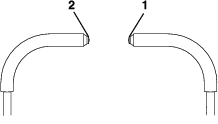
The switches are located in the end of the motion control levers (see Figure 6).

To lower the accessory into the ground, press the left thumb switch and hold until the desired depth is reached. To raise the accessory, press the right thumb switch and hold.

g286617

Before Operation

Before Operation Safety

  • Do Not modify the accessory.

  • Evaluate the terrain to determine what accessories and attachments are needed to properly and safely perform the job. Only use accessories and attachments approved by Z Turf Equipment.

  • Inspect the area where the machine is to be used and remove all rocks, toys, sticks, wires, bones, and other foreign objects. These can be contaminated by chemicals, thrown, or interfere with the operation of the machine and may cause personal injury to the operator or bystanders.

  • The machine that this accessory attaches to was designed for one operator only. Do Not carry passengers.

  • Wear appropriate personal protective equipment such as safety glasses, long pants, substantial slip-resistant footwear, and hearing protection. Tie back long hair and avoid loose clothing and loose jewelry which may get tangled in moving parts.

  • The machine that this accessory attaches to produces sound levels in excess of 85 dBA at the operator’s ear and can cause hearing loss through extended periods of exposure. Wear hearing protection when operating this machine.

  • Do Not operate the accessory when people, especially children, or pets are in the area. Shut off the machine and attachment(s) if anyone enters the area.

  • Make sure you understand the controls, their locations, their functions, and their safety requirements.

  • Ensure that the accessory and its components are in good condition, properly attached, and latched. Components are subject to wear, damage and deterioration, which could expose moving parts or allow objects to be thrown. Frequently check for worn or deteriorating components and replace them with the manufacturer’s recommended parts when necessary.

Operating Instructions

During Operation Safety

General Safety

The operator must use their full attention when operating the machine. Do Not engage in any activity that causes distractions; otherwise, injury or property damage may occur.

  • Operate the machine only in good visibility and appropriate weather conditions. Do Not operate the machine when there is the risk of lightning.

  • Keep away from holes, ruts, bumps, rocks, and other hidden hazards. Use care when approaching blind corners, shrubs, trees, tall grass or other objects that may hide obstacles or obscure vision. Uneven terrain could overturn the machine or cause the operator to lose their balance or footing.

  • Start the engine with your feet well away from the blades.

  • Do not operate the machine without all safety shields, guards, switches, and other devices in place and in proper working condition.

  • Keep your hands and feet away from the moving parts. Keep clear of the accessory and discharge area at all times.

  • Be aware of the discharge and direct discharge away from others. Avoid discharging material against a wall or obstruction as the material may ricochet back toward the operator. Raise the accessory, slow down, and use caution when crossing surfaces other than grass and when transporting the machine to and from the work area.

Operating the Accessory

Before Operating the Accessory

Before using, make sure that the knives are adjusted to the correct specifications and the drop rate gate is adjusted accordingly.

Make sure the spreader has been calibrated for the material to be spread before starting (see Calibrating the Spreader section).

Important: Verify that the proper application rate has been set prior to filling the hopper.

Lowering the Accessory

Danger

The rotating blades under the machine are dangerous. Blade contact can cause serious injury or kill you.

Do Not put hands or feet under the machine when the blades are engaged.

  1. Disengage the parking brake. Set throttle to “FAST” position.

  2. Press the left thumb switch until desired depth is achieved.

    Important: The spiker blades are rotating when the accessory is lowered and the motion control lever is moved out of the neutral position.

  3. Once desired depth is achieved, move the motion control levers forward to start begin working.

Important: Keep the drive tires on the ground at all times to maximize lateral machine stability and dethatching quality.

Important: Do Not make a zero turn when the spiker blades are in the down position as turf tearing will result.

Raising the Accessory

To raise the accessory, press the right thumb switch until reaching the desired height, then release.

Calculating the Application Rate

Note: The Rate and Conversion charts are provided with permission from the Gandy® Company and The Scotts® Company LLC.

These charts are to be used as an approximate guideline only. Other factors, such as weather conditions, operation, and condition of materials, will affect the results.

The spreader should be calibrated each time a new material is used.

  1. Determine the amount of product to be applied.

  2. Determine the calibration course.

    1. Determine the amount of product to be applied per 1 Acre = 43,560 ft2. Use the recommended rate from the chart below or the product manufacturer’s label as a guide.

      1 mph1 1/2 mph2 mph2 1/2 mph3 mph3 1/2 mph4 mph4 1/2 mph5 mph
      88 ft132 ft176 ft220 ft264 ft308 ft352 ft396 ft440 ft
    2. Determine the distance and speed traveled in one minute. For example, if the rate is based on 2 mph, but actual travel is 1 mph, twice the desired rate will be applied.

  3. Set the gauge setting on the spreader

  4. Determine the RATE

    The rate chart below is for 36 inch Gandy® Spreader with snap-off stainless steel bottoms. The term "gauge settings” refers to the numbers stamped on the gauge of the adjustable, stainless steel bottom which comes as standard equipment. The term “bottom number” refers to the size designation of the various fixed rate bottoms available for 36 inch models.

    Read the product label and determine the rate to be applied. 1 Acre = 43,560 Square Feet.

  5. Check your GROUND SPEED

    Use these distance traveled in one minute: Ground speed is an important factor in determining the application rate. For example, if you set your gauge for a rate based on 2 mph, but travel 1 mph, you will be applying twice the desired rate.

  6. Choose the GAUGE SETTING

    Turn to the chart for your product. Under your speed, find rate and read across the starting gauge setting. Set the gauge using the top of the stop as the gauge point. If your product is not in the rate chart, but has a setting for Scotts® PF Drop Spreader, use the conversion chart below. Always remember the chart number is only a starting point to begin a calibration check.

  7. Check your RESULTS

    Manufacturers of chemicals, fertilizers and other materials may change their formulations without notice. Atmospheric conditions also can change the flow of some materials. Check your rate of application to be sure your formulation is the same as the one used in calibration. We recommend this procedure:

    1. Suspend a calibration pan under the hopper.

    2. Set gauge.

    3. Place a sufficient amount of material in the hopper for a practice area.

    4. Cover a known area, such as 1,000 sq. ft.

    5. Weigh the contents of the calibration pan.

    6. Divide the weight by the known area to determine rate applied. If necessary, adjust the gauge up or down and repeat.

**CONVERSION CHART from O. M. Scott’s PF Drop Spreader to Gandy Drop Spreader**

Use this handy conversion chart for setting Gandy spreaders when only O.M. Scotts PF drop spreader gauge settings are given. However, always check your rate of application to be sure your formulation is the same as the one used in calibration. We recommend the procedure listed above. Atmospheric conditions alone can affect the flow of materials.

Setting Numbers:

SCOTT’S GAUGE 3.544.5566.577.588.599.5101112
GANDY GAUGE 20.022.026.030.535.037.039.040.041.041.544.045.045.546.547.5

Adjusting the Cutting Blade Depth

  1. Bring the unit to a full stop.

  2. Disengage the cutting blades.

  3. Stop the engine and wait for all moving parts to stop before leaving the operating position. Disconnect the wire from the spark plug.

  4. Unlock the cutting blade depth handle by removing the hairpin from the slit seeder handle pin. Position the handle to the appropriate setting and reinstall the pin and hairpin.

    • Moving the handle rearward increases the depth of the blades.

    • Moving the handle forward decreases the depth of the blades.

Calibration

Rate Chart:

This rate chart is for 36-inch Gandy Spreaders with snap-off stainless steel bottoms. The term "gauge settings” refers to the numbers stamped on the gauge of the adjustable, stainless steel bottom which comes as standard equipment. The term “bottom number” refers to the size designation of the various fixed rate bottoms available for 36-inch models

  1. Determine the RATE

    Read the product label and determine the rate to be applied. 1 Acre = 43,560 Square Feet.

    1 mph1 1/2 mph2 mph2 1/2 mph3 mph3 1/2 mph4 mph4 1/2 mph5 mph
    88 ft132 ft176 ft220 ft264 ft308 ft352 ft396 ft440 ft
  2. Check your GROUND SPEED

    Use these distance traveled in one minute: Ground speed is an important factor in determining the application rate. For example, if you set your gauge for a rate based on 2 mph, but travel 1 mph, you will be applying twice the desired rate.

  3. Choose the GAUGE SETTING

    Turn to the chart for your product. Under your speed, find rate and read across the starting gauge setting. Set the gauge using the top of the stop as the gauge point. If your product is not in the rate chart, but has a setting for Scotts PF Drop Spreader, use the conversion chart below. Always remember the chart number is only a starting point to begin a calibration check.

  4. Check your RESULTS

    Manufacturers of chemicals, fertilizers and other materials may change their formulations without notice. Atmospheric conditions also can change the flow of some materials. Check your rate of application to be sure your formulation is the same as the one used in calibration. We recommend this procedure:

    1. Suspend a calibration pan under the hopper.

    2. Set gauge.

    3. Place a sufficient amount of material in the hopper for a practice area.

    4. Cover a known area, such as 1,000 sq. ft.

    5. Weigh the contents of the calibration pan.

    6. Divide the weight by the known area to determine rate applied. If necessary, adjust the gauge up or down and repeat.

**CONVERSION CHART from O. M. Scott’s PF Drop Spreader to Gandy Drop Spreader**

Use this handy conversion chart for setting Gandy spreaders when only O.M. Scotts PF drop spreader gauge settings are given. However, always check your rate of application to be sure your formulation is the same as the one used in calibration. We recommend the procedure listed above. Atmospheric conditions alone can affect the flow of materials.

Setting Numbers:

SCOTT’S GAUGE 3.544.5566.577.588.599.5101112
GANDY GAUGE 20.022.026.030.535.037.039.040.041.041.544.045.045.546.547.5

Removing the Accessory

  1. Stop the machine and lower the accessory to the ground (taking weight off the lift mechanism center linkage). Shut off the engine and wait for all movement to stop.

  2. Remove the cotter pin, washer, and hitch pin disconnecting the lift mechanism center linkage lower swivel ball from the accessory head.

  3. Remove the lynch pins from the front hooks and slide the accessory plates outward and rotate them away from the accessory lift pin.

  4. Lift the front of the accessory and remove the accessory pins from the hitch plates.

  5. Block up the accessory so it can be stored safely and will make future reinstallation easier.

  6. Position yourself back on the traction unit.

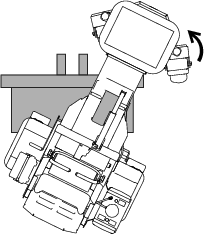
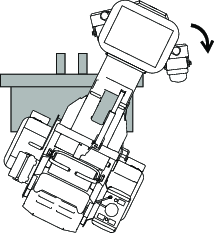
  7. Drive away from the accessory head by turning either left or right (turning to the right of the head — reference Figure 7) by turning the front of the traction unit in either direction.

    g299445

Operating Tips

Over Seeding

When over seeding, set the cutting blades to be 1/8 to 1/4 inch (3 to 6 mm) into the earth.

Important: Do Not put down more seed than recommended by the seed company. Over seeding can cause the grass to be too thick and cause it to be susceptible to fungus.

Note: The machine will seed at the same rate going both forward and rearward.

Note: If there is excessive thatch, it may be necessary to remove the thatch prior to seeding.

Dethatching

Set the cutting blades to be 1/8 to 1/4 inch (3 to 6 mm) past the thatch layer, into the earth. Operate the machine over the yard with the seeder control lever turned off.

Power Raking/Renovation

To break new ground or till an existing lawn, set the cutting blades to be 1/4 to 1/2 inch (6 to 12 mm) into the earth. Go forward and backwards over the area to be leveled, or make multiple passes from different directions.

The machine will work best when the ground is hard and dry and will be most aggressive in breaking up the soil in reverse. If the ground is soft and causes the engine to bog down, raise the blades a bit and make a few passes before lowering them to the full depth.

Maintenance

Note: Determine the left and right sides of the machine from the normal operating position.

Maintenance Safety

  • Park machine on level ground. Set the parking brake, stop engine and remove key or disconnect spark plug wire. Wait for all moving parts to stop before leaving the operator’s position. Allow the machine to cool before servicing, adjusting, fueling, unclogging, cleaning, or storing.

    Warning

    The engine can become very hot. Touching a hot engine can cause severe burns.

    Allow the engine to cool completely before service or making repairs around the engine area.

  • If you leave the key in the switch, someone could accidently start the engine and seriously injure you or other bystanders. Remove the key from the switch before you perform any maintenance.

  • Never allow untrained personnel to service machine.

  • Park machine on level ground, set parking brake, stop engine, and remove key. Wait for all moving parts to stop before leaving the operator’s position. Allow the machine to cool before servicing, adjusting, fueling, unclogging, cleaning, or storing.

  • Keep all guards, shields, switches, and all safety devices in place and in proper working condition. Frequently check for worn or deteriorating components and replace them with genuine Z Turf Equipment parts when necessary.

    Warning

    Removal or modification of original equipment, parts and/or accessories may alter the warranty, controllability, and safety of the machine. Unauthorized modifications to the original equipment or failure to use original Z Turf Equipment parts could lead to serious injury or death. Unauthorized changes to the machine, engine, fuel or venting system, may violate applicable safety standards such as: ANSI, OSHA and NFPA and/or government regulations such as EPA and CARB.

  • Keep your hands and feet away from moving parts or hot surfaces. If possible, Do Not make adjustments with the engine running.

    Warning

    Contact with moving parts or hot surfaces may cause personal injury.

    Keep your fingers, hands, and clothing clear of rotating components and hot surfaces.

  • Keep all parts in good working condition and all hardware tightened.

Periodic Maintenance

Check the Spiker Blades, Cutting Blades, and Bearings

Maintenance Service IntervalMaintenance Procedure
Before each use or daily
  • Check the spiker blades, cutting blades, and bearings for wear or damage.
    1. Raise the accessory.

    2. Stop engine, wait for all moving parts to stop, and remove spark plug wire. Engage parking brake.

    3. Inspect the blades for damage and wear and replace as required.

      Danger

      A worn or damaged blade can break. A piece of the blade could be thrown into the operator’s or bystander’s area, resulting in serious personal injury or death.

      • Inspect the blade periodically for wear or damage.

      • Replace a worn or damaged blade.

    4. Spin the cutting blade assembly; it should spin freely. If it makes a grinding noise and/or halting, the bearings are worn; replace them when the blades are replaced.

    Check Condition Of Chains

    Maintenance Service IntervalMaintenance Procedure
    Before each use or daily
  • Check the condition and tension of the chains.
    1. Raise the accessory.

    2. Stop engine, wait for all moving parts to stop, and remove spark plug wire. Engage parking brake.

    3. Check the chains for proper tension. The chains should be able to move up and down 1/4-1/2 inch (6-12 mm).

    Check Condition Of Sprockets

    Maintenance Service IntervalMaintenance Procedure
    Before each use or daily
  • Check the condition of the sprockets.
    1. Stop engine, wait for all moving parts to stop, and remove key. Engage parking brake.

    2. Inspect sprockets for wear and replace as required.

    Lubricate Chains

    Maintenance Service IntervalMaintenance Procedure
    Before each use or daily
  • Lubricate the chains.
  • Important: Do Not lubricate chains with penetrating oil or solvents. Use oil or chain lubricant.

    1. Stop engine, wait for all moving parts to stop, and remove key. Engage parking brake.

    2. Slowly move the chain and lubricate.

    3. Check the condition and tension of the chains (see Check Condition Of Chains section).

    Lubricate Grease Fittings

    Maintenance Service IntervalMaintenance Procedure
    Every 25 hours
  • Grease the pillow block bearings.
  • Note: See chart for service intervals.

    1. Stop engine, wait for all moving parts to stop, and remove key. Engage parking brake.

    2. Lubricate fittings with NLGI grade #2 multi-purpose gun grease.

      Refer to the following chart for fitting locations and lubrication schedule.

      Lubrication Chart

      Fitting LocationsInitial Pumps Number of Places Service Interval
      1. Pillow Block Bearings1425 hours

    Check for Loose Hardware

    Maintenance Service IntervalMaintenance Procedure
    Before each use or daily
  • Check for loose hardware.
    1. Stop engine, wait for all moving parts to stop, and remove spark plug wire. Engage parking brake.

    2. Visually inspect machine for any loose hardware or any other possible problem. Tighten hardware or correct the problem before operating.

    Cleaning

    Cleaning and Storing Safety

    • Park machine on level ground, disengage drives, set parking brake, stop engine, and remove key. Wait for all moving parts to stop before leaving the operator’s position. Allow the machine to cool before servicing, adjusting, fueling, unclogging, cleaning, or storing.

    • Clean grass and debris from the accessory, muffler, drives, and engine compartment to prevent fires.

    • Allow the machine to cool before storing the machine in any enclosure. Do Not store the machine or fuel container, or refuel, where there is an open flame, spark, or pilot light such as on a water heater or other appliance.

    Clean Debris From Machine

    Maintenance Service IntervalMaintenance Procedure
    Before each use or daily
  • Clean the debris build-up from the machine.
    1. Stop engine, wait for all moving parts to stop, and remove key. Engage parking brake.

    2. Clean off any oil, debris, or build-up on the machine, especially the accessory, around engine and exhaust area.

    Important: You can wash the machine with mild detergent and water. Do not pressure wash the machine. Avoid excessive use of water, especially near the control panel, under the cushion, around the engine, hydraulic pumps, motors, and drive axle seals.